
At a glance
- 01
Help choosing
Tell us how you’ll use it, and we’ll suggest the right type of lock.
- 02
Codes, not copies
Give each person a code and remove it when they no longer need it.
- 03
Set up properly
Installed and configured, with the walkthrough before we leave.
- 04
Homes and small businesses
Front doors, side doors, offices and shops.
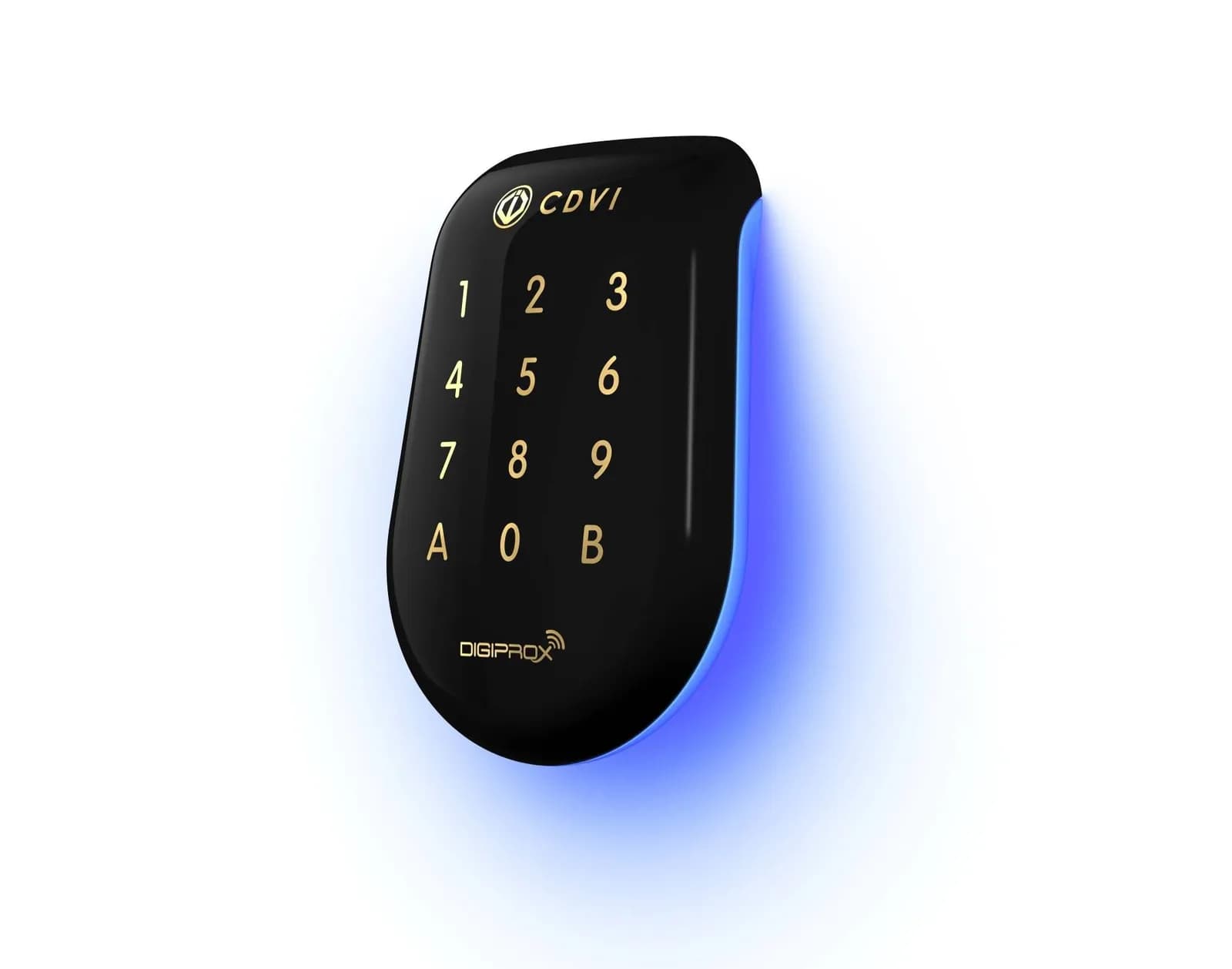
A keypad door lock takes the key out of everyday life. No more hidden spare under the mat, no copying keys for the dog walker, no rekeying because a contractor didn’t return one. We help homeowners and small businesses choose keypad and smart locks, install them, and set them up so the codes do what you want.
Types of keyless lock
- Electronic keypad deadbolts: the most common choice for a home. Enter a code to unlock; most relock automatically after a set time.
- Smart locks: keypad or keyless locks that also connect to a phone app over Bluetooth or Wi-Fi, so you can unlock remotely, see when the door was used and send temporary codes.
- Keypad levers: a lever with a built-in keypad, common on office suites, back doors and staff rooms.
- Mechanical keypads: push-button locks with no batteries at all, popular on interior commercial doors.
Adding and revoking access
This is the real benefit. Each person gets their own code: family, a babysitter, a cleaner, a contractor for the week. When they no longer need access, you delete their code. Many models also let you set when a code works, such as weekdays only, or business hours for staff. Small businesses get some of the control of a full access control system at a fraction of the complexity.
Choosing the right one
A few questions narrow it down quickly:
- Do you want app control, or just codes? An app adds convenience and remote access, and more to set up.
- How many people need codes, and do any need time limits?
- Is the door exposed to weather? Some models handle rain and cold better than others.
- Should the finish and style match your existing handleset or lever?
- Do you want a key backup? Most keypad locks keep a cylinder for emergencies, and some can be keyed to your other locks.
Installation matters more than people think
Keypad locks are less forgiving than mechanical ones. If the deadbolt drags on the strike, the motor works harder, batteries drain quickly and the lock can fail to throw. We check the door’s backset, bore and thickness, align the strike so the bolt slides freely, and adjust the door if it has sagged. Then we set up the codes and settings with you.
“I needed a new keypad lock for my door and I had to ask for help and recommendations based on what I wanted. The staff was very kind, honest and helpful towards my request. We had a fine gentlemen named Ben who came in, set up our lock and walked us through the configuration process. Excellent job and excellent service, well done!” (Richard F.)
For small businesses
A keypad lever or deadbolt suits a small shop, office or clinic that has outgrown handing out keys but doesn’t need a full fob system. Give each employee their own code, remove it when they leave, and on models that support it, limit codes to business hours. When the number of doors or people grows, the next step is access control, and we can help you plan that move.
Batteries and Canadian winters
Most electronic locks run on standard batteries and warn you well before they die, with a light, a beep or an app alert. Cold weather drains batteries faster, so an exterior keypad in January may need fresh batteries sooner than in summer. Many models also have a way to power the keypad from outside in an emergency, and the key cylinder is the final backup. Replace the batteries when the warning appears rather than waiting.
Security
A keypad lock is as strong as the deadbolt it’s built on and the door it’s fitted to. Choose a solidly built model, use a reinforced strike with long screws into the framing, and treat codes like keys: don’t share one code with everyone, and change codes when people leave. Wipe the keypad occasionally too; worn buttons can hint at which numbers are in your code.
Come to the shop at 300 Manitou Drive to see keypads in person, or call 519-894-7055 to book an installation. If you’d rather keep keys but improve the lock, see deadbolts and door hardware. We install keyless locks across the region, including Guelph.
Questions people ask
What happens if the batteries die?
Most keypad locks warn you well in advance. If they do run flat, many models can be powered briefly from outside, and most have a key cylinder as a backup.
Do keypad locks work in a Canadian winter?
Yes, but cold weather drains batteries faster, and some models handle exposure better than others. We’ll suggest a lock suited to the door and where it faces.
Can I give a cleaner or contractor a code that only works at certain times?
On many models, yes. You can add individual codes, remove them when the job is done, and on some locks limit them to set days or hours.
Will a keypad lock fit my existing door?
Most keypad deadbolts fit a standard deadbolt hole. We check the backset, bore and door thickness, and adjust the strike so the bolt runs freely.
Smart lock or keypad lock?
A keypad lock handles codes at the door. A smart lock adds an app for remote unlocking, alerts and temporary codes. If you don’t need those, a keypad lock is simpler.